Case Study: CRM Data Standardization — The Critical Precursor to Executive Dashboards
Many organizations fall into the ‘Garbage In, Garbage Out’ trap. Executives demand modern BI dashboards to track revenue, only to be met with conflicting figures across departments. This case study examines how a business successfully pivoted by prioritizing CRM data standardization before attempting to visualize performance metrics.
Business Challenge: When Dashboards Become ‘Controversial’
At a typical enterprise, Sales and Marketing teams often clash over lead counts. The root cause is usually fragmented CRM data, duplicate customer records, and missing critical data fields. When dashboards are built on this foundation, they fail to reflect reality, leading leadership to lose trust in analytical reporting.
Context: The Shift Toward Data-Driven Governance
In the modern enterprise, CRM is no longer just a sales tool; it is a strategic platform for customer interaction. However, as organizations scale, data silos emerge. According to Microsoft Azure’s data governance principles, establishing a ‘Single Source of Truth’ is the foundational step for any digital transformation. Without a governance framework—encompassing roles, policies, and quality standards—dashboards remain superficial, masking underlying operational inefficiencies.
Solution Analysis: A Three-Step Standardization Framework
To move beyond manual cleanup, organizations are increasingly turning to AI-driven solutions. Tools like Sancus or platforms utilizing Microsoft Fabric allow for automated entity resolution and de-duplication. By leveraging machine learning models, companies can move from rule-based, error-prone processes to scalable, automated data quality management. This approach not only improves data matching accuracy but also ensures that the data pipeline remains clean as new information flows into the CRM.
Practical Recommendations
Standardization is not a one-time project; it is a continuous operational requirement. Organizations should designate a ‘Data Sponsor’ to oversee quality metrics. By integrating diagnostic results with correction tasks, businesses can treat data quality as a core component of their supply chain and operational management, rather than an afterthought.
Implementation Checklist
- Source Audit: Ensure all systems (CRM, ERP, Marketing) are synchronized and connected.
- AI-Driven De-duplication: Use machine learning tools to merge identical customer records automatically.
- Format Standardization: Unify date formats, currency units, and industry classification codes.
- Access Control: Establish strict security protocols and role-based permissions for dashboard users.
- UAT (User Acceptance Testing): Cross-reference dashboard figures against raw data to ensure accuracy before presenting to the Board.
Conclusion
Dashboards are merely the tip of the iceberg. Investing in CRM data cleansing is not just an IT project—it is a strategic necessity. By ensuring data integrity, organizations provide their leadership with the transparency and accuracy required for true data-driven decision-making.
References
- AI/ML-driven Sancus (Data Quality Management) Solution by Tredence
- Quality and nonconformance management overview – Supply Chain Management | Dynamics 365 | Microsoft Learn
- AI Accelerated Data Cleansing for ERP & CRM Migrations
- What is Data Governance? | Microsoft Azure
- What is CRM? | Microsoft Dynamics 365
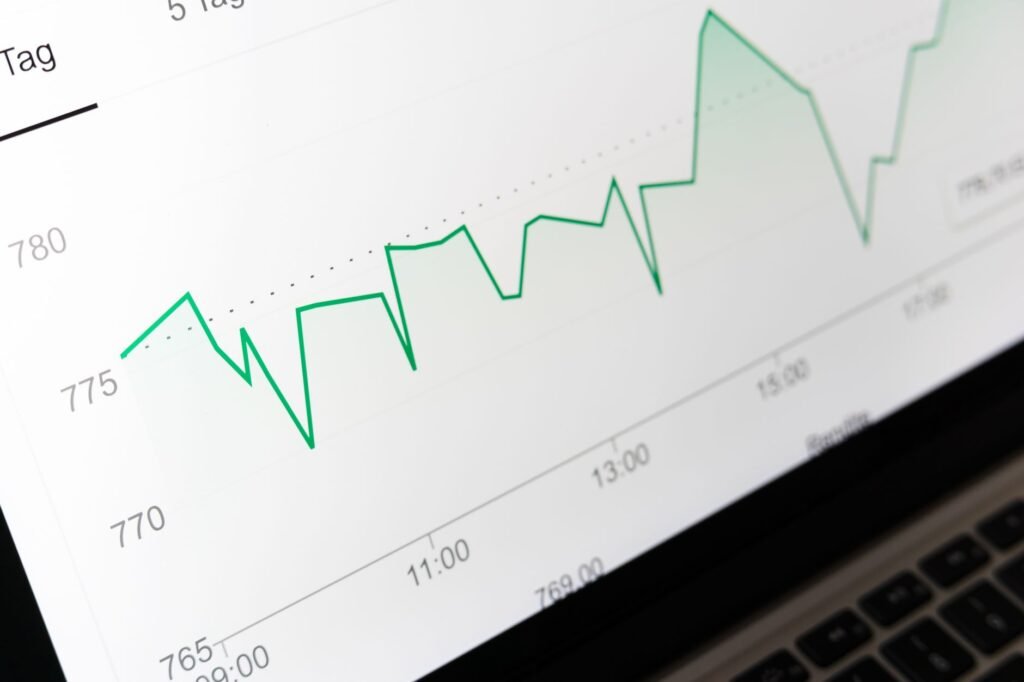
Image credit: Chuẩn hóa dữ liệu CRM là bước nền tảng để xây dựng dashboard quản trị hiệu quả. – Pexels.
- Security awareness training: Turning employees into a human firewall
- Digital Transformation Roadmap for SMEs: From Mindset to Execution
- Optimizing Microsoft Defender for Office 365: Advanced Anti-Phishing Strategies for Enterprises
- Why CRM Data Standardization is Essential Before Building Executive Dashboards
- Privileged account management: Eliminating shared account risks