IT Asset Management Checklist: A Strategic Framework for Infrastructure and Security
In the era of digital transformation, IT assets have expanded far beyond tangible hardware. The proliferation of cloud infrastructure, Software-as-a-Service (SaaS) platforms, and IoT devices has created a complex digital ecosystem. When businesses lose visibility over this infrastructure, security vulnerabilities and budget wastage become inevitable.
The Business Challenge: Shadow IT as a Hidden Risk
Many organizations currently face the challenge of fragmented asset management. The rise of ‘Shadow IT’—where departments procure software or utilize personal devices without central oversight—creates significant security gaps. Furthermore, the lack of a centralized management process often leads to budget leakage, with resources being underutilized or forgotten within the system.
Emerging Trends: From Physical Inventory to Asset Lifecycle Management (ALM)
Modern IT Asset Management (ITAM) has evolved beyond simple inventory tracking. The current trend focuses on Asset Lifecycle Management (ALM), which integrates data from IoT and AI to forecast maintenance needs and optimize performance. According to the NIST SP 1800-5 framework, aligning security policies with operational workflows is essential for maintaining the integrity of digital infrastructure.
Solution Analysis: The NIST-Aligned Approach
Adopting a framework like NIST SP 1800-5 allows organizations to bridge the gap between physical and virtual assets. By centralizing data, businesses can improve their security posture, ensure compliance, and gain the visibility required for informed decision-making. Effective ITAM is not just a technical task; it is a core component of risk management and operational efficiency.
Practical Recommendations
To build a sustainable ITAM strategy, organizations should prioritize the following: 1) Automate discovery to eliminate manual errors; 2) Centralize asset data to support cross-departmental decision-making; and 3) Implement continuous monitoring to detect unauthorized devices in real-time.
Implementation Checklist
Follow these five steps to establish a robust ITAM process:
- 1. Identification and Categorization: Establish a comprehensive catalog of hardware, software, and virtual resources. Categorize assets by criticality (e.g., high, moderate, low) to prioritize security measures.
- 2. Assign Ownership: Every asset must have a designated owner. This ensures accountability for software updates, access management, and incident resolution.
- 3. Continuous Monitoring: Utilize automated solutions to identify and inventory assets in real-time. This helps in early detection of unauthorized or non-compliant devices.
- 4. Lifecycle Management: Track assets from planning and procurement to deployment, utilization, and final decommissioning. This approach reduces costs and minimizes risks associated with obsolete equipment.
- 5. Incident Response and Decommissioning: Develop a formal process for asset recovery when personnel leave or equipment reaches end-of-life. Ensure sensitive data is securely wiped before disposal or repurposing.
Conclusion
IT Asset Management is a strategic investment rather than a short-term project. By applying standardized frameworks like NIST and embracing the ALM mindset, businesses can strengthen their security perimeter while optimizing operational efficiency, laying the groundwork for sustainable future growth.
References
- IT Asset Management – NIST Technical Series Publications
- Asset lifecycle management best practices: Building a strategy for success | IBM
- SP 1800-5, IT Asset Management | CSRC
- NIST Asset Management: Complete begineer Guide to start
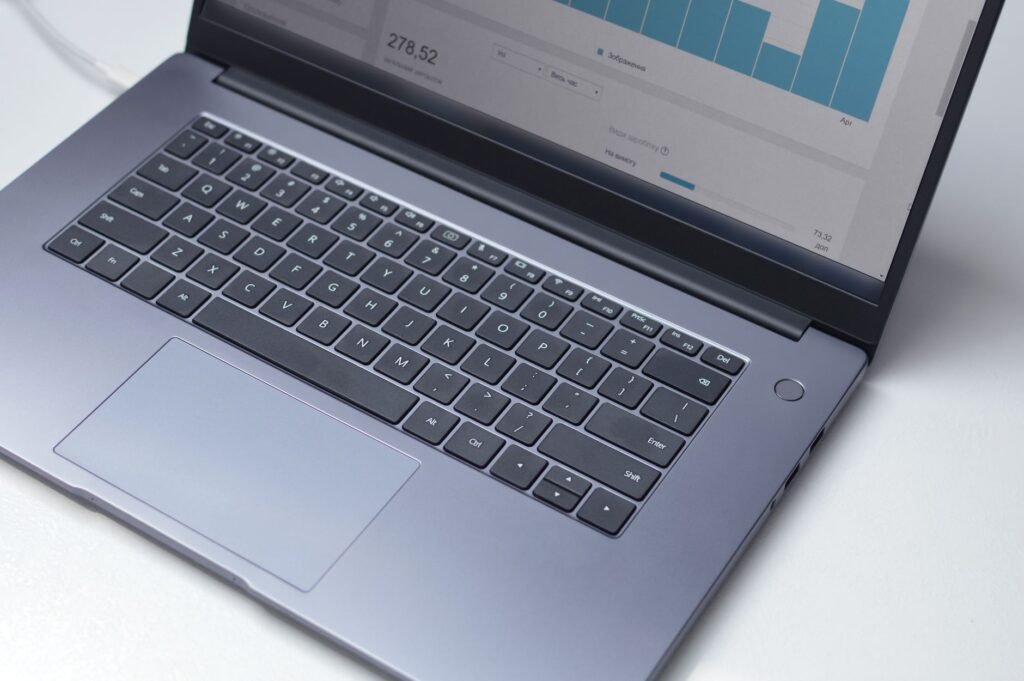
Image credit: Hạ tầng CNTT hiện đại là nền tảng của quản trị tài sản hiệu quả. – Pexels.
- Microsoft 365 Security Checklist: 7 Essential Steps for SMBs
- Case Study: Implementing MFA for a 100-Employee Firm – From Theory to Execution
- Building a Secure SharePoint Document Repository with Granular Permissions
- Email migration roadmap to Microsoft 365: Minimizing business disruption
- Case Study: Migrating Business Email to Cloud in 14 Days