Integrating Legacy Systems with Modern Platforms: A Strategy for Non-Disruptive Digital Transformation
Many enterprises are currently trapped in ‘technical debt’ while operating cumbersome legacy systems such as aging ERPs and CRMs. Rather than opting for a high-risk ‘rip-and-replace’ approach, Incremental Modernization has emerged as a more sustainable path for digital transformation.
The Business Challenge: The Cost of Total Replacement
Replacing core systems entirely is not only prohibitively expensive but also carries significant risks of operational disruption. Legacy systems often house specialized business logic refined over years of operation. The challenge lies in modernizing these workflows without losing the core value embedded in existing infrastructure.
The Emerging Trend: Incremental Modernization
Modernization is shifting from a destination to a continuous journey. By adopting an incremental approach, businesses can retain their core legacy value while leveraging the agility of modern cloud technologies. This strategy allows for a phased transition, reducing the immediate pressure on IT teams and minimizing the impact on daily business operations.
Solution Analysis: Power Platform as an Integration Layer
Using the Power Platform as an integration layer allows enterprises to build a bridge between legacy data and modern applications without the need for complex, brittle ETL pipelines. Through native connectors and synchronization capabilities, data from legacy systems can be surfaced and processed within modern, intuitive interfaces.
Furthermore, transitioning to modern data architectures—such as Microsoft Fabric Link or Azure Synapse Link—enables a shift from manual data copying to direct access. This reduces latency, optimizes query performance, and improves storage efficiency through advanced compression formats like Delta/Parquet.
Practical Recommendations: Building Fusion Teams
Technology alone is insufficient; success requires a human-centric approach. Forming ‘Fusion Teams’—a collaboration between professional IT staff and business-focused ‘citizen developers’—ensures that digital transformation remains aligned with real-world needs. IT focuses on governance and security, while business users optimize day-to-day processes.
Implementation Checklist
- Audit Compatibility: Assess the readiness of legacy systems for modern API integration.
- Identify Bottlenecks: Prioritize data silos that require immediate connectivity.
- Establish Governance: Configure Managed Environments to ensure data security and compliance.
- Phased Migration: Plan data transitions gradually to avoid direct impact on core systems.
- Empower Teams: Train Fusion Teams to maintain and scale low-code solutions effectively.
- Monitor Deprecation: Regularly review Microsoft’s roadmap for deprecated features (such as V1 SQL connectors or legacy grid controls) to ensure system longevity.
Conclusion
Integrating legacy systems with modern platforms is an ongoing process of refinement. By starting small, measuring performance, and scaling effectively, organizations can achieve successful digital transformation without interrupting the flow of business. The goal is to evolve the existing architecture into a flexible, future-ready ecosystem.
References
- Thúc đẩy đổi mới và văn hóa AI – Power Platform | Microsoft Learn
- Hiện đại hóa ứng dụng với Power Platform – Power Platform | Microsoft Learn
- Những thay đổi quan trọng (không khuyến khích sử dụng) sắp tới Power Platform – Power Platform | Microsoft Learn
- Chuyển đổi từ các dịch vụ tích hợp dữ liệu cũ sang Fabric link và Azure Synapse Link cho Dataverse – Power Apps | Microsoft Learn
- Cập nhật giải pháp – Power Apps | Microsoft Learn
- Daimler Truck chuyển đổi quản lý chính sách với Power Apps, Dataverse và môi trường được quản lý – Power Platform | Microsoft Learn
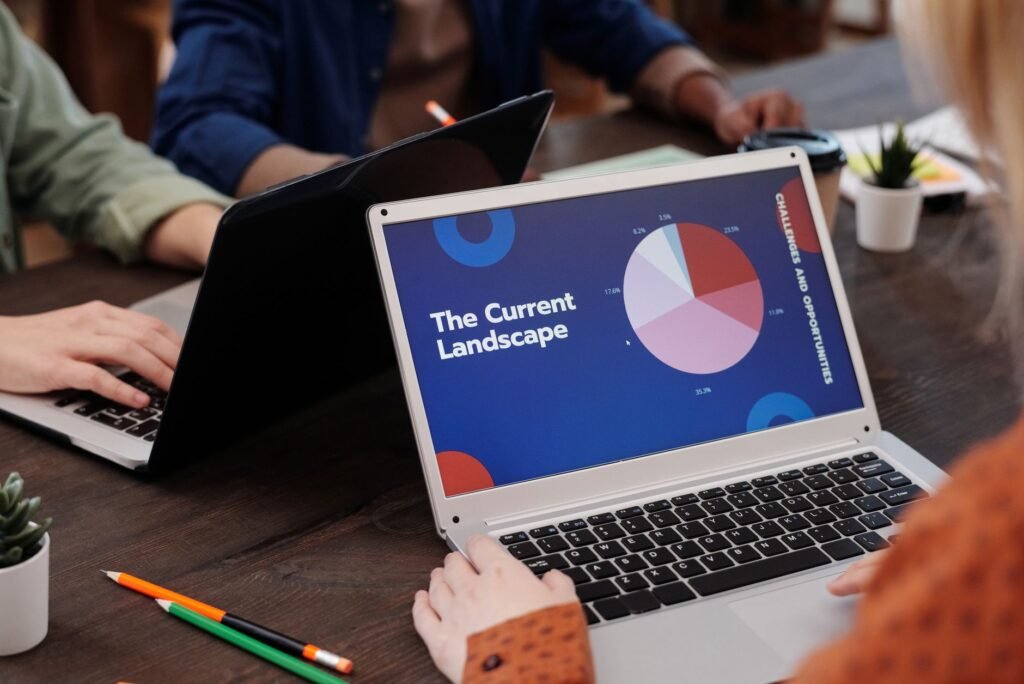
Image credit: Tích hợp hệ thống cũ với nền tảng mới – Pexels.
- Why CRM Data Standardization is Essential Before Building Executive Dashboards
- Managing departing employee data: Securely offboarding OneDrive
- Google Workspace cost optimization: Strategies for license management
- When to Choose IT Outsourcing Services Over Internal Teams
- Measuring AI effectiveness: 3 pillars for real business value