Optimizing Hybrid IT Outsourcing Models for SMEs
For organizations with 20-200 employees, building a technology infrastructure is as much a management challenge as it is a financial one. Rather than choosing between a fully internal team or complete third-party reliance, the hybrid IT outsourcing model is emerging as the optimal strategy to balance operational control with high-level performance. This article focuses on By integrating managed IT services as a practical implementation direction for businesses. This article focuses on Instead, effective IT governance has as a practical implementation direction for businesses.
Optimizing Hybrid IT Outsourcing Models
The Business Challenge: Why Traditional IT Fails
Many SMEs remain stuck in a reactive “break-fix” cycle. At the 20-200 employee scale, even a few hours of system downtime can significantly impact revenue and reputation. Maintaining a full-time internal team for basic operational tasks is often budget-inefficient, yet these teams frequently lack the specialized expertise required for complex security and infrastructure management. This is where the hybrid IT outsourcing model provides a necessary evolution.
The Shift Toward Strategic IT Governance
Modern businesses are moving away from viewing IT as a cost center. Instead, effective IT governance has become a cornerstone of sustainable growth. By integrating managed IT services, leadership can ensure that technology investments align with business objectives while maintaining strict compliance and risk management standards. This shift allows internal staff to focus on core business logic while external experts handle the technical heavy lifting.
Solution Analysis: Finding the Balance
The hybrid IT outsourcing model allows companies to retain strategic roles, such as an IT Manager or CTO, to drive business goals, while leveraging managed IT services for operational tasks like helpdesk support, security monitoring, and infrastructure maintenance. This approach is highly scalable, with typical costs ranging from $150 to $400 per user per month, depending on system complexity. By implementing effective IT governance, businesses gain the predictability of service level agreements (SLAs) and the agility to scale without the overhead of massive recruitment cycles.
Implementation Checklist
- Assess internal capabilities to determine which functions require managed IT services versus in-house oversight.
- Verify that the partner has proven experience supporting organizations with 20-200 employees.
- Ensure the provider offers transparent reporting to support effective IT governance.
- Define clear SLA metrics for emergency response times.
- Confirm the provider’s ability to integrate seamlessly with existing internal workflows.
With Optimizing Hybrid IT Outsourcing Models, businesses can standardize governance, reduce manual work, and improve data control.
By integrating managed IT services
Instead, effective IT governance has
Conclusion
Selecting the right hybrid IT outsourcing model is not just about cutting costs; it is about creating a foundation for growth. By combining internal leadership with specialized external support, companies can build a resilient infrastructure that is prepared for future scaling.
References
- What is IT Governance? | IBM
- IBM i Managed Services vs. In-House IT: Make the Right Choice
- Is Outsourced IT for Small and Medium Businesses Worth It (2026)
- IT Outsourcing Models Explained | Definition & Use Cases
- IT Outsourcing Models: How to Choose the Best Fit | Sunbytes
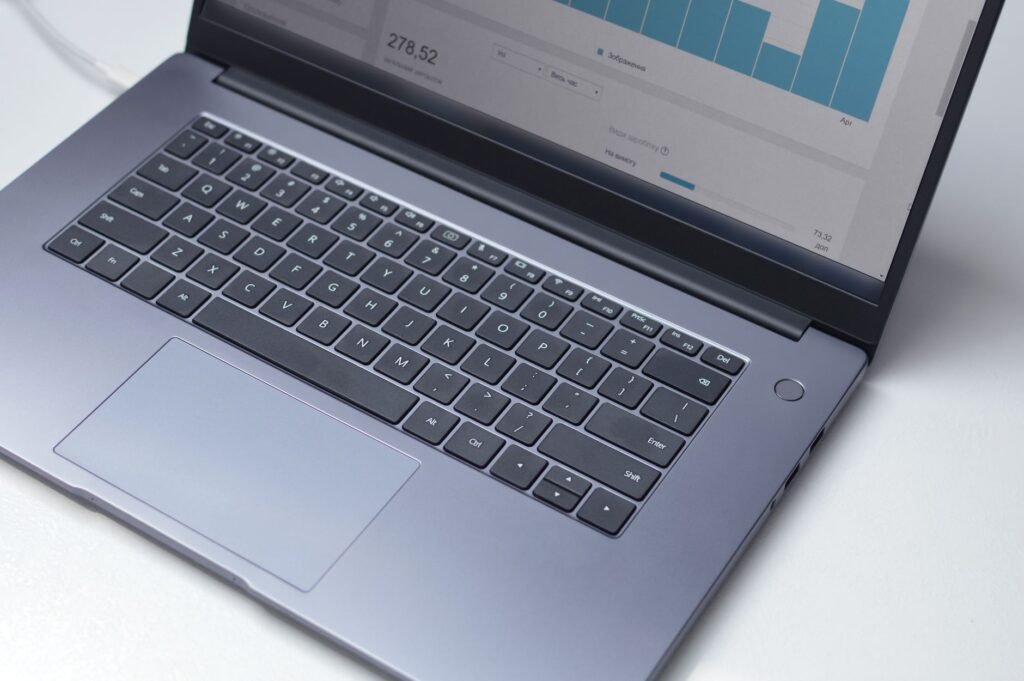
Image credit: Giải pháp quản trị CNTT tối ưu cho doanh nghiệp vừa và nhỏ – Pexels.
- IT Vendor Risk Management: From Manual Checklists to Automated Operations
- Case Study: Automated Business Reporting from CRM and Excel
- Building a Digital Transformation Dashboard for the C-Suite
- Case Study: Digitizing Internal Procurement Workflows for Operational Efficiency
- Optimizing Internal IT Helpdesk: From Reactive Support to Data-Driven Governance