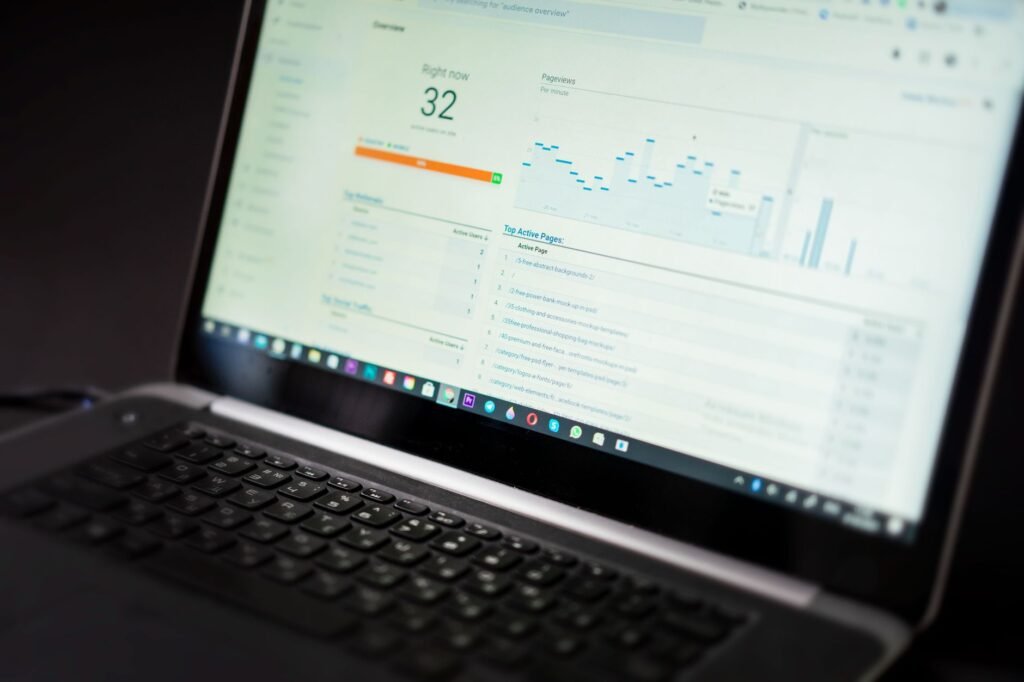
Unified Data Governance: Solving Fragmented Customer Insights
In the modern SaaS era, businesses often juggle dozens of disparate applications. However, this fragmentation creates significant barriers to growth. Implementing unified data governance is now a critical necessity to ensure that customer information remains consistent, accurate, and actionable across the entire organization. This article focuses on customer data synchronization between CRM as a practical implementation direction for businesses. This article focuses on software integration as a practical implementation direction for businesses.
Unified Data Governance: Solving Fragmented
The Business Challenge: Risks of Scattered Customer Data
When data is trapped in silos, sales and marketing teams lack a 360-degree view of the customer. Without a strategy for unified data governance, companies face the risk of conflicting information, which wastes resources and degrades the customer experience. Poor customer data synchronization between CRM, ERP, and support tools often leads to decisions based on outdated or incomplete records.
The Context: AI Ecosystems and Data Sovereignty
As enterprises integrate powerful AI ecosystems, the complexity of software integration increases. Organizations must now balance the agility of cloud platforms with strict data sovereignty requirements. Without a robust framework for unified data governance, businesses struggle to meet global security standards when connecting AI models to their existing infrastructure.
Solution Analysis: Adopting Standardized Frameworks
To achieve unified data governance, organizations should adopt frameworks like the NIST Cybersecurity Framework. Establishing clear policies for data access and flow is essential to mitigate security risks. Furthermore, prioritizing customer data synchronization through modern cloud platforms ensures that the data fed into AI models is clean and reliable, which is a prerequisite for effective software integration.
Practical Recommendations
Successful management requires a shift from viewing data as a byproduct to treating it as a strategic asset. By standardizing data formats and automating customer data synchronization, companies can reduce operational friction. It is also vital to ensure that any software integration project includes a privacy-by-design approach to maintain compliance across different jurisdictions.
Implementation Checklist
- Inventory all touchpoints where customer data is collected.
- Assess latency and error rates in software integration between core systems.
- Define a single, standardized data format for the entire organization.
- Apply access controls based on the principle of least privilege.
- Perform regular audits to identify and resolve duplicate or conflicting records.
With Unified Data Governance: Solving Fragmented, businesses can standardize governance, reduce manual work, and improve data control.
Customer data synchronization between CRM
Software integration
Conclusion
Unified data governance is more than a technical requirement; it is the foundation of customer trust. By synchronizing data and standardizing processes, businesses can transform their fragmented information into a powerful strategic asset.
References
- Cybersecurity Framework | NIST
- Transforming Enterprise Business Apps With Powerful AI Ecosystems And Marketplaces
- The Rise of Cloud Data Platforms: Transforming Data Management in Financial Institutions
- Global data privacy laws guide for modern businesses
Image credit: Quản trị dữ liệu khách hàng tập trung – Pexels.
- Building an Audit Log System for Modern Security Risk Management
- Enterprise AI Data Security: Safely Summarizing Meetings and Documents
- Security awareness training: Turning employees into a human firewall
- Preventing email spoofing: A strategic guide for business security
- Securing Google Workspace administrator accounts with MFA