Why HR Data Standardization is Essential for HRM Software Success
In the digital era, many organizations expect that investing in modern HRM software will immediately resolve complex issues regarding time tracking, leave management, and performance evaluations. However, without prioritizing HR data standardization from the very beginning, businesses often fall into the ‘Garbage In, Garbage Out’ trap, where flawed inputs lead to unreliable outputs. This article focuses on Without HR data standardization as a practical implementation direction for businesses. This article focuses on KPI systems as a practical implementation direction for businesses.
Without HR data standardization
The Business Challenge: The Cost of Fragmented Data
HR departments frequently struggle with fragmented information across disparate systems. When raw, uncleaned data is fed into HRM software, the system cannot automate processes accurately. This leads to payroll errors, compliance risks, and wasted administrative resources. Without HR data standardization, your leadership team lacks the visibility needed to make informed decisions, ultimately undermining the effectiveness of your KPI systems.
The Context: Moving Toward Data-Driven HR
Modern HR automation is not just about replacing manual tasks; it is about enhancing data integrity. Industry experts emphasize that HR data standardization acts as a gatekeeper for both operational efficiency and data privacy. As organizations scale, the ability to share consistent data across modules—from attendance to performance—is what separates high-performing companies from those struggling with administrative bottlenecks.
Solution Analysis: Building a Clean Data Foundation
To ensure your KPI systems and attendance modules function as intended, you must treat data as a strategic asset. HR data standardization requires a shift from informal data handling to a formal governance approach. By classifying data criticality and defining business terms, you ensure that every department interprets metrics like ‘overtime’ or ‘performance rating’ in the same way, allowing your HRM software to generate meaningful, accurate reports.
Practical Recommendations
Start by identifying your most critical workforce data points. Assign clear ownership to specific team members who are responsible for maintaining data quality. This accountability ensures that the integrity of your KPI systems is preserved over the long term. Furthermore, implement data minimization practices to comply with privacy regulations, ensuring you only collect and store what is strictly necessary for employment purposes.
Implementation Checklist
- Have you audited your current employee records for duplicates or outdated information?
- Are your definitions for attendance, leave, and performance metrics documented and shared across departments?
- Is your data formatted consistently (e.g., date formats, employee ID structures) for seamless integration?
- Have you established security protocols to protect sensitive PII in alignment with local privacy laws?
Is Essential for HRM Software
KPI systems
Conclusion
Ultimately, HR data standardization is not merely a technical task; it is a foundational pillar for organizational success. By cleaning your data before deployment, you enable your HRM software to deliver its full potential, providing the transparency and accuracy required to manage your KPI systems effectively and drive better business outcomes.
References
- Why you should apply data governance in HR
- HR Automation: Functions, Advantages and Best Practices | Paycom
- Complete HR Guide to Employee Data Protection & Privacy Laws
- Your guide to HR KPIs: Tracking what truly impacts your workforce
- Global Payroll KPIs & Best Practices for 2025
- Eight KPIs for Payroll That HR Can Track
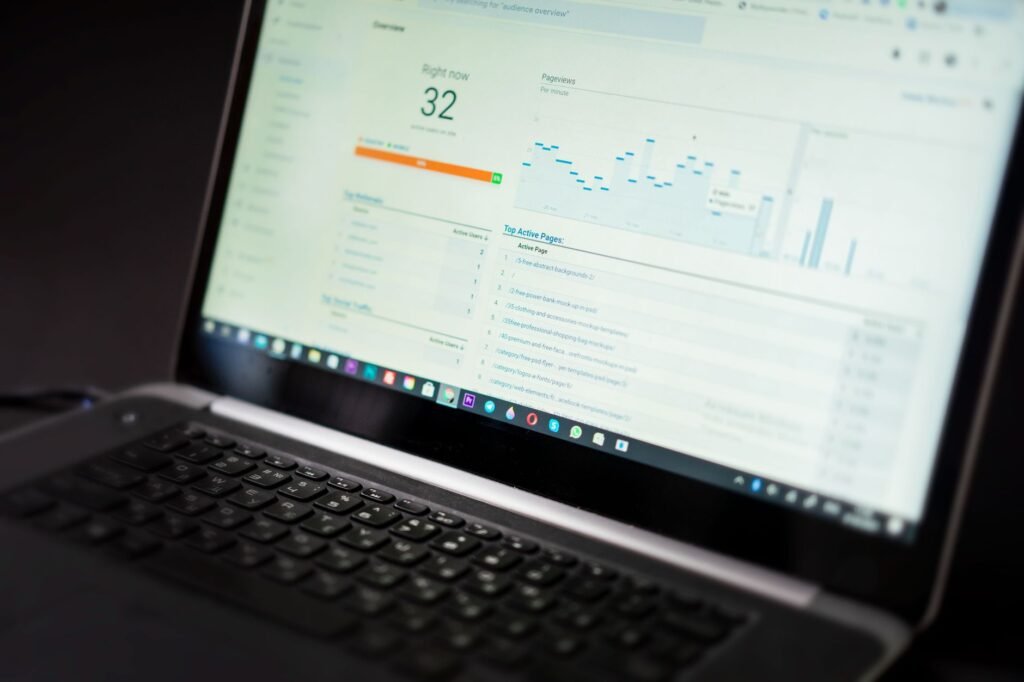
Image credit: Tối ưu hóa quản trị nhân sự với dữ liệu số – Pexels.
- Microsoft Teams Governance: Secure Collaboration Strategies
- Security awareness training: Turning employees into a human firewall
- Internal AI usage policy: Protecting customer and financial data
- Internal process digitization: Where to start to reduce manual paperwork and Excel?
- KPIs for Digital Transformation: Measuring Real Business Value from Data