Why CRM Data Standardization is Essential Before Building Executive Dashboards
In the modern enterprise, CRM data standardization has evolved from a back-office IT task into a strategic business imperative. For many organizations, the lack of clean, consistent information remains the primary barrier preventing leadership from trusting their executive dashboards. This case study explores the vital process of refining data inputs to ensure that management reports reflect the true state of the business. This article focuses on almost always poor data quality as a practical implementation direction for businesses.
Why CRM Data Standardization is
The Trap of Misleading Metrics
Business leaders often express frustration when their executive dashboards fail to align with real-world performance. The root cause is almost always poor data quality. When CRM records are plagued by duplicates, missing fields, or inconsistent formatting, even the most sophisticated visualization tools will produce inaccurate insights, leading to flawed strategic decisions.
The Context: Data Silos and Integration
As organizations integrate data from diverse sources—such as ERP systems, marketing platforms, and sales tools—the complexity of maintaining a single source of truth increases. Implementing CRM data standardization ensures that disparate data points are harmonized before they reach the reporting layer. Without this, the risk of ‘garbage in, garbage out’ becomes a systemic threat to organizational agility.
Solution Analysis: A Three-Tiered Approach
To build a reliable reporting foundation, organizations should adopt a structured approach to CRM data standardization:
1. Automated Data Cleansing
Leveraging AI-driven tools allows teams to move beyond static rules. Machine learning models can identify duplicates and resolve inconsistencies at scale, significantly improving overall data quality.
2. Unified Data Integration
By mapping information into a standardized schema, businesses can ensure that their executive dashboards provide a holistic view of the customer journey across all departments.
3. The Human-in-the-Loop Protocol
Technology alone is rarely sufficient. A human-in-the-loop validation process ensures that automated systems are calibrated correctly, maintaining high data quality standards through expert oversight.
Practical Recommendations
Before launching any new reporting initiative, prioritize CRM data standardization by auditing your existing inputs. Focus on cross-functional consistency—ensure that a ‘customer’ is defined identically across both sales and service modules. Furthermore, treat data quality as a continuous lifecycle rather than a one-time project, utilizing Change Data Capture (CDC) methods to keep information fresh.
Implementation Checklist
- Are there automated processes to identify and merge duplicate customer records?
- Are mandatory fields enforced at the point of entry to ensure completeness?
- Is there a unified format for dates, currency, and contact information?
- Is the data pipeline updated in real-time or near real-time?
- Have you established clear data governance and access control policies?
With Why CRM Data Standardization is, businesses can standardize governance, reduce manual work, and improve data control.
Essential Before Building Executive Dashboards
Almost always poor data quality
Conclusion
Effective CRM data standardization is the bedrock of organizational trust. When leaders can rely on the accuracy of their executive dashboards, they shift their focus from questioning the numbers to making high-impact strategic decisions. By prioritizing data quality today, you transform your CRM from a simple storage tool into a powerful engine for business intelligence.
References
- Data Quality Agent
- Manage quality evaluation | Microsoft Learn
- CDM and synapse datawarehouse – Microsoft Q&A
- What is customer relationship management (CRM)? | Microsoft Dynamics 365
- Automatic updates on source systems – Microsoft Q&A
- Discover new ways to analyze your Customer Service data – Microsoft Dynamics 365 Blog
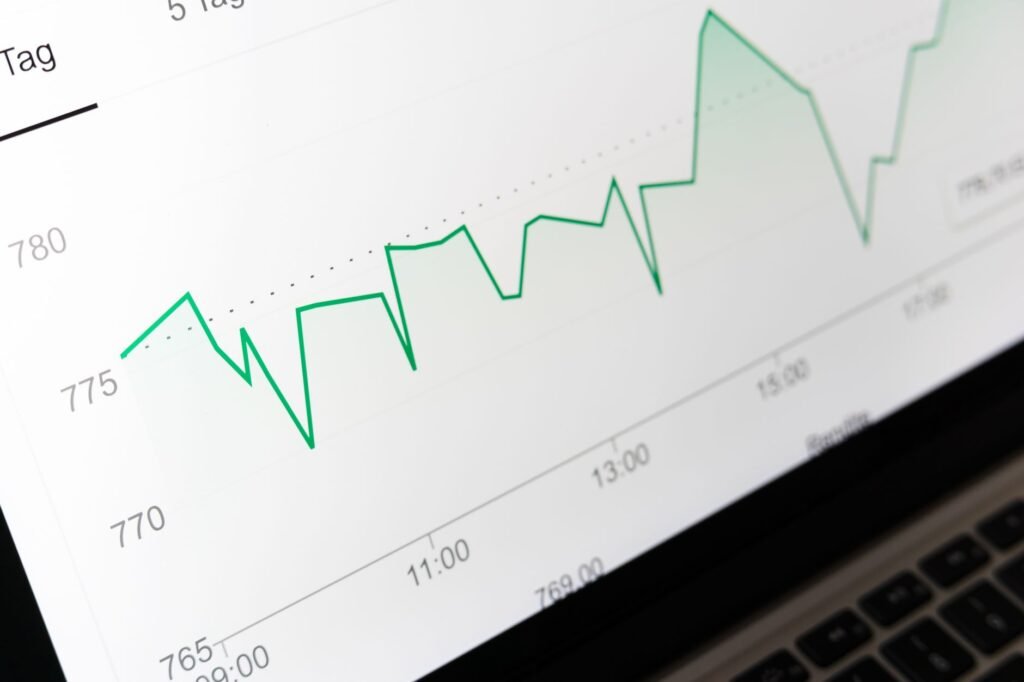
Image credit: Chuẩn hóa dữ liệu CRM là bước nền tảng để xây dựng dashboard quản trị hiệu quả. – Pexels.
- Securing Google Workspace for SMBs: A Comprehensive Implementation Guide
- Modern IT Vendor Risk Management: Moving Beyond Manual Questionnaires
- Effective Corporate Email Group Management in Google Workspace
- Internal Approval Workflow: How to Build an Efficient Automated System
- Open-Source AI for Enterprise: A 2025 Strategy for Data Sovereignty and Cost Optimization