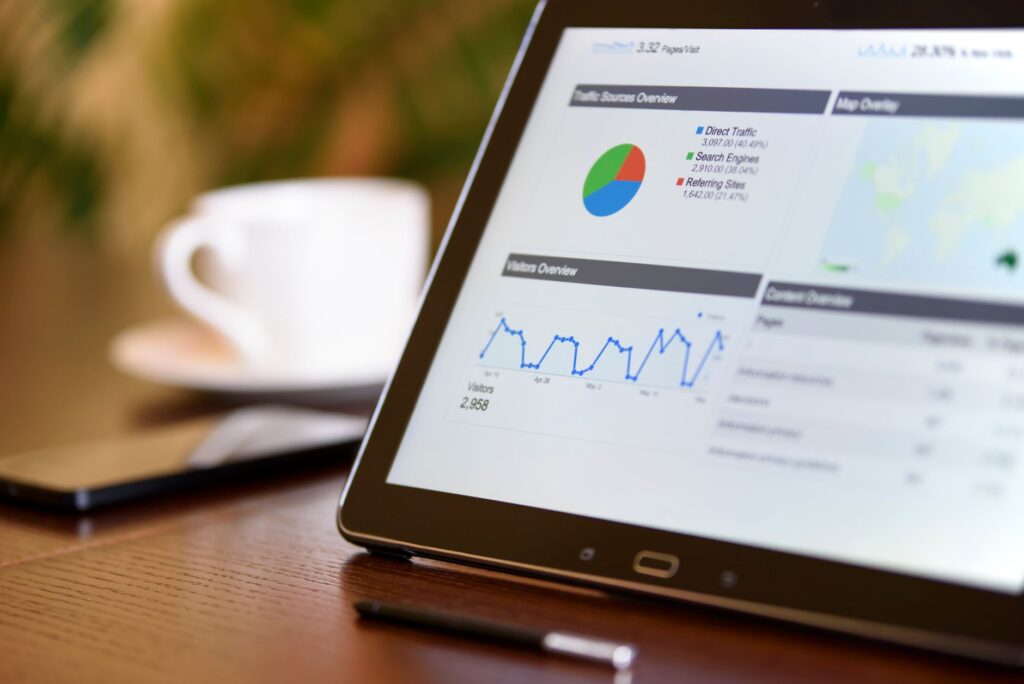
Data cleaning for reporting: A critical step for management dashboards
In the digital age, data is often called the new oil. However, if that source is contaminated, your operational systems will inevitably stall. Implementing data cleaning for reporting is not merely a technical task; it is a vital foundation for ensuring that management dashboards accurately reflect the health of your business. This article focuses on Master data cleaning for reporting as a practical implementation direction for businesses. This article focuses on cost of poor data quality as a practical implementation direction for businesses.
Master data cleaning for reporting
The hidden cost of poor data quality
The 1:10:100 rule illustrates the urgency of this process: fixing a data error at the source costs $1, but that cost rises to $10 once it enters the system, and up to $100 if it influences a strategic business decision. Poor data quality wastes budget and erodes leadership trust in BI systems. Without rigorous data cleaning for reporting, even the most advanced management dashboards will provide misleading insights.
The emerging trend: Automation in data hygiene
Modern enterprises are shifting from manual fixes to automated data cleaning for reporting. By integrating AI-driven validation, companies can now identify anomalies and standardize formats in real-time. This shift is essential because data quality is no longer just an IT concern; it is a core component of organizational agility.
Solution analysis: A structured approach
To optimize data cleaning for reporting, organizations should follow a standardized five-step framework:
1. Profiling
Identify inconsistencies, missing values, or irregular formats within raw datasets.
2. Standardization
Ensure all fields, such as currency and date formats, adhere to a single enterprise rule.
3. Deduplication
Remove redundant records that skew the metrics displayed on your management dashboards.
4. Handling missing values
Decide whether to impute or remove data points based on their impact on overall data quality.
5. Final validation
Execute automated test scenarios before pushing data to production environments.
Practical recommendations
Do not treat data cleaning for reporting as a one-time project. Instead, embed it into your data governance framework. Use automated tools to monitor data quality continuously, ensuring that your management dashboards remain a reliable source of truth.
Implementation checklist
- Have all duplicate records been fully removed?
- Are date and currency formats consistent across all sources?
- Have outliers that distort KPIs been identified and addressed?
- Is the input data source verified for its update frequency?
- Is the data cleaning for reporting process documented for reproducibility?
With Master data cleaning for reporting, businesses can standardize governance, reduce manual work, and improve data control.
Critical step for management dashboards
Conclusion
Investing in data hygiene is a commitment to a sustainable data culture. By prioritizing these steps, you ensure that your business decisions are based on reality rather than distorted figures, ultimately maximizing the value of your management dashboards.
References
- What Is Data Cleaning? | IBM
- Data Quality Issues and Challenges | IBM
- Data Cleaning Best Practices: The Foundation for Reliable Reporting Across Teams | Databox
- The Complete Guide to Data Cleaning Best Practices (For Amazing Search Experiences)
- Data Cleaning Techniques: Methods & Best Practices 2026
- Data Cleaning: Definition, Techniques & Best Practices
Image credit: Làm sạch dữ liệu là bước tiên quyết để có báo cáo quản trị chính xác. – Pexels.
- Preventing email spoofing: A strategic guide for business security
- Effective SaaS Cost Control: A CIO Strategy
- Case Study: Implementing MFA for a 100-Employee Firm – From Theory to Execution
- Case Study: Outsourced IT Deployment for 20-200 Employee Businesses
- Zero Trust: A Practical Roadmap for Vietnamese Enterprises